QRS
Browse all content with this tag
What Makes a Satisficing Bug Report?
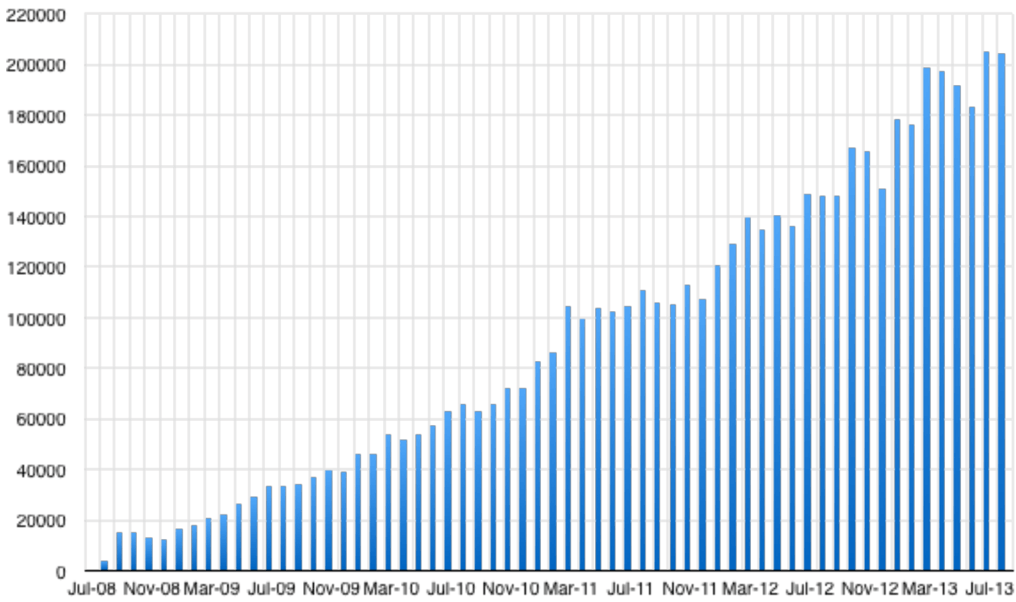
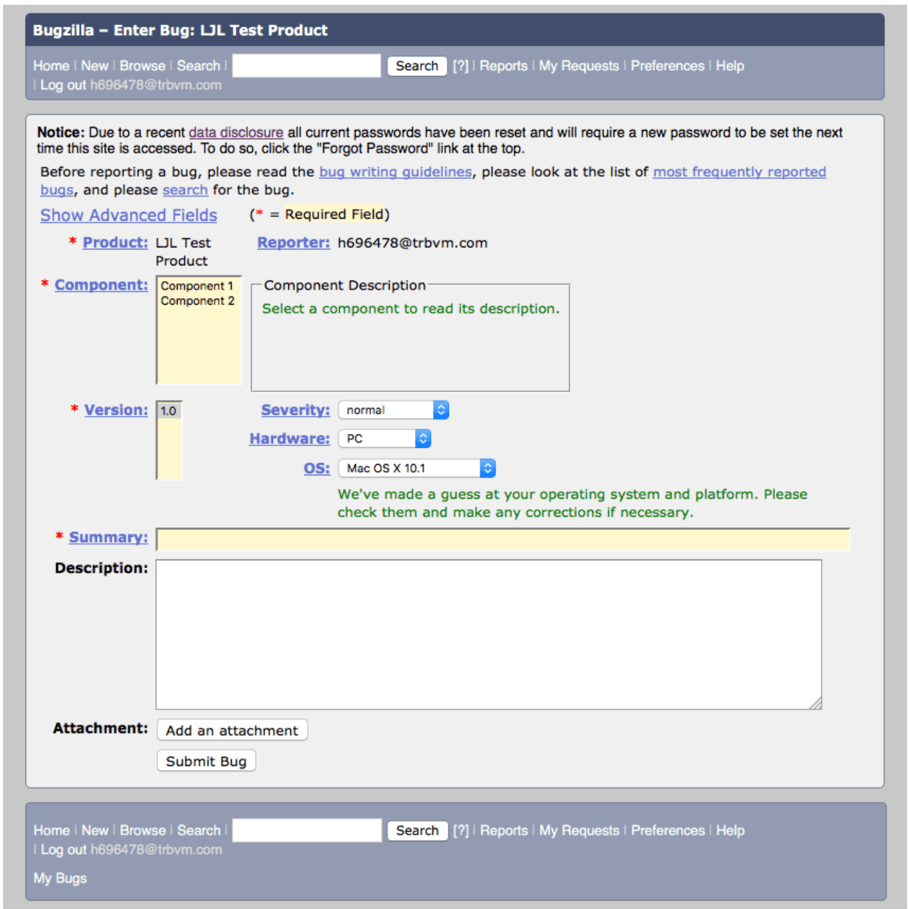
To ensure quality of software systems, developers use bug reports to track defects. It is in the interest of users and developers that bug reports provide the necessary information to ease the fixing process. Past research found that users do not provide the information that developers deem ideally useful to fix a bug. This raises an interesting question: What is the satisficing information to speed up the bug fixing process? We conducted an observational study on the relation between provided report information and its lifetime, considering more than 650,000 reports from open-source systems using popular bug trackers. We distilled a meta-model for a minimal bug report, establishing a basic layer of core features. We found that few fields influence the resolution time and that customized fields have little impact on it. We performed a survey to investigate what users deem easy to provide in a bug report.
Quantitatively Exploring Non-code Software Artifacts
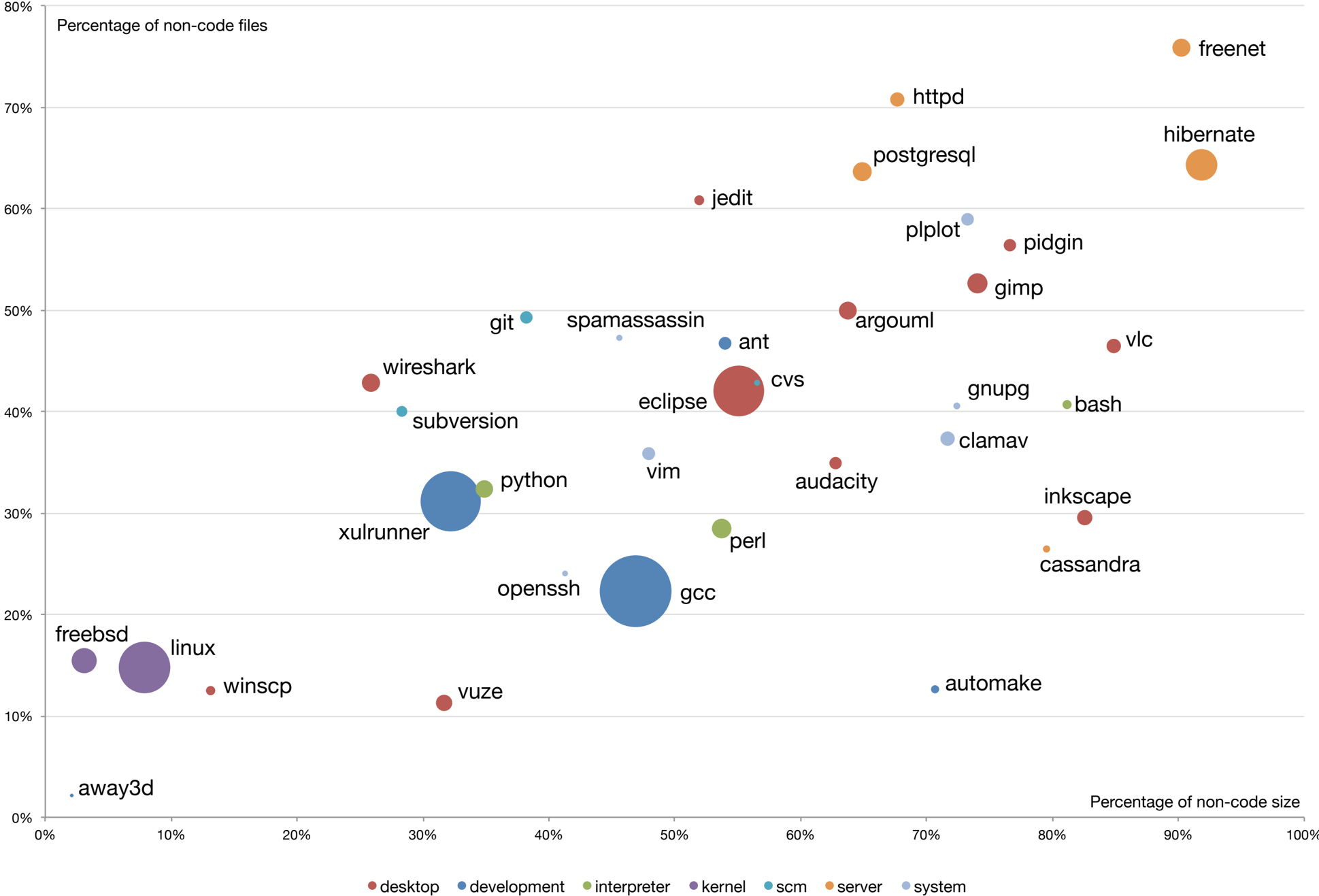
Most software engineering research focuses its analyses on source code, because correct, well designed, and efficient program code is the desired end output of software development. Nevertheless, source code is not the only constituent of software systems: Programs also comprise other types of artifacts, such as documentation, build system and configuration files, and graphics. These non-code artifacts only recently got the attention of researchers and are not yet investigated as a whole, but separately and with very specific aims. By taking a quantitative perspective, we look into non-code software artifacts to measure their role in software systems. We analyze 35 mature open-source software systems and we address exploratory questions such as: How many non-code software artifacts do software systems contain? How do they relate to source code? How much effort is put into producing and maintaining them? Our results show that a significant portion of systems is made of non-code artifacts, and that programmers spend a relevant part of their effort on non-code artifacts during the development process. Our analysis opens questions for future investigations.
Quantifying Program Comprehension with Interaction Data
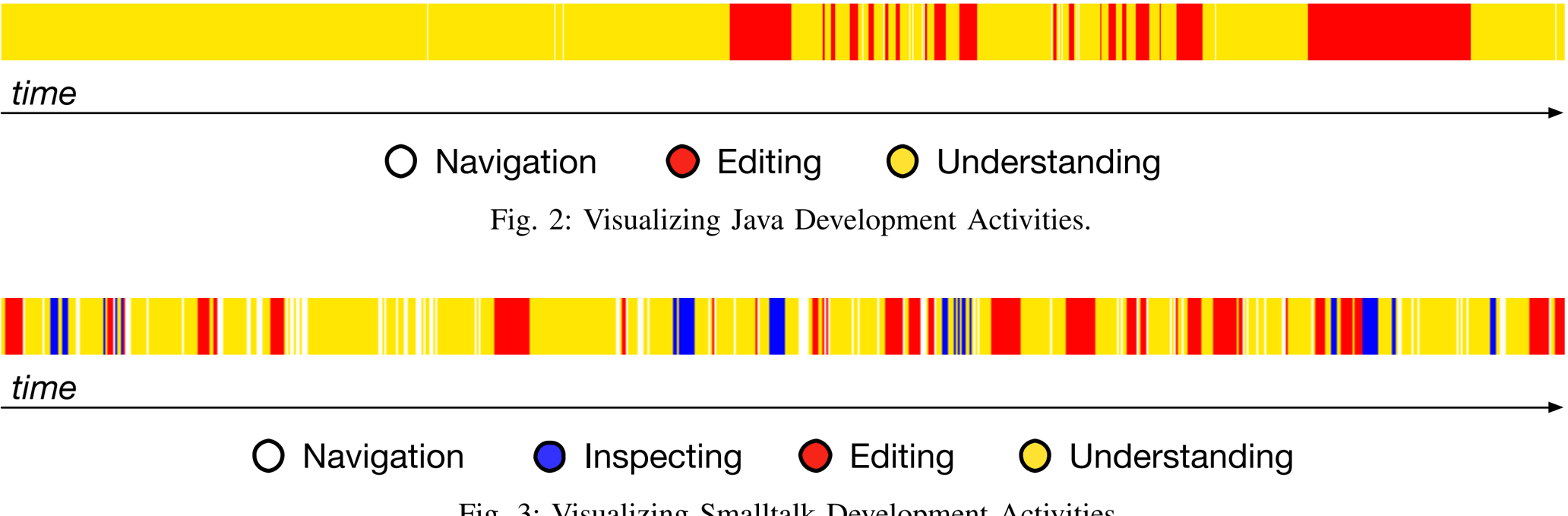
It is common knowledge that program comprehension takes up a substantial part of software development. This \"urban legend" is based on work that dates back decades, which throws up the question whether the advances in software development tools, techniques, and methodologies that have emerged since then may invalidate or confirm the claim. We present an empirical investigation which goal is to confirm or reject the claim, based on interaction data which captures the user interface activities of developers. We use interaction data to empirically quantify the distribution of different developer activities during software development: In particular, we focus on estimating the role of program comprehension. In addition, we investigate if and how different developers and session types influence the duration of such activities. We analyze interaction data from two different contexts: One comes from the ECLIPSE IDE on Java source code development, while the other comes from the PHARO IDE on Smalltalk source code development. We found evidence that code navigation and editing occupies only a small fraction of the time of developers, while the vast majority of the time is spent on reading & understanding source code. In essence, the importance of program comprehension was significantly underestimated by previous research.
Understanding and Classifying the Quality of Technical Forum Questions
Technical questions and answers (Q&A) services have become a valuable resource for developers. A prominent example of technical Q&A website is StackOverflow (SO), which relies on a growing community of more than two millions of users who actively contribute by asking questions and providing answers. To maintain the value of this resource, poor quality questions - among the more than 6,000 asked daily - have to be filtered out. Currently, poor quality questions are manually identified and reviewed by selected users in SO, this costs considerable time and effort. Automating the process would save time and unload the review queue, improving the efficiency of SO as a resource for developers. We present an approach to automate the classification of questions according to their quality. We present an empirical study that investigates how to model and predict the quality of a question by considering as features both the contents of a post (e.g., from simple textual features to more complex readability metrics) and community-related aspects (e.g., popularity of a user in the community). Our findings show that there is indeed the possibility of at least a partial automation of the costly SO review process.