Software Evolution
Browse all content with this tag
The Code Time Machine
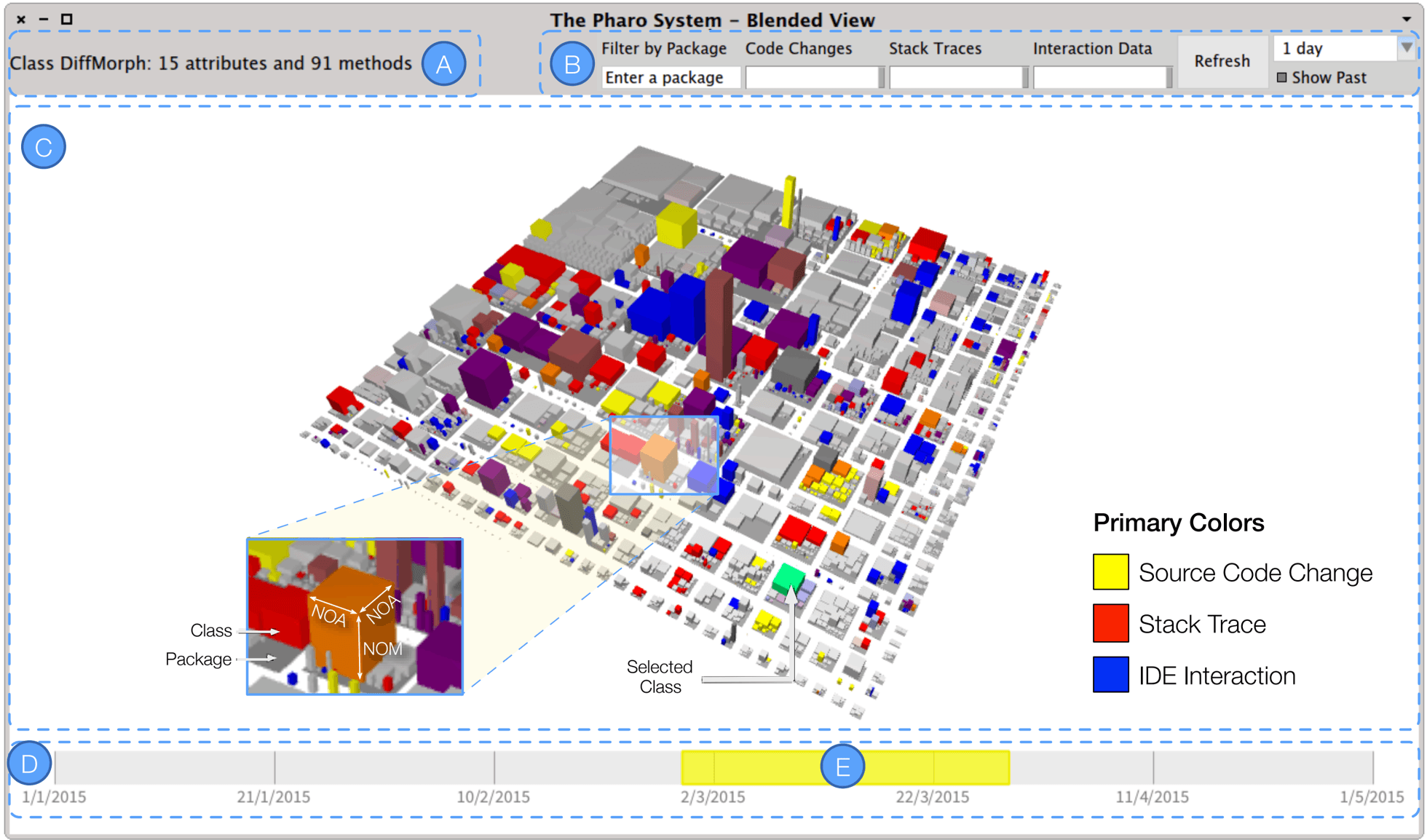
Exploring and analyzing the history of changes is an intrinsic part of software evolution comprehension. Existing tools that exploit the data residing in version control repositories provide only limited support for the intuitive navigation of code changes from a historical perspective. We present the Code Time Machine, a lightweight IDE plugin which uses visualization techniques to depict the history of any chosen file augmented with information mined from the underlying versioning system. Inspired by Apple's Time Machine, our tool allows both developers and the system itself to seamlessly move through time.
How Developers Document Pull Requests with External References
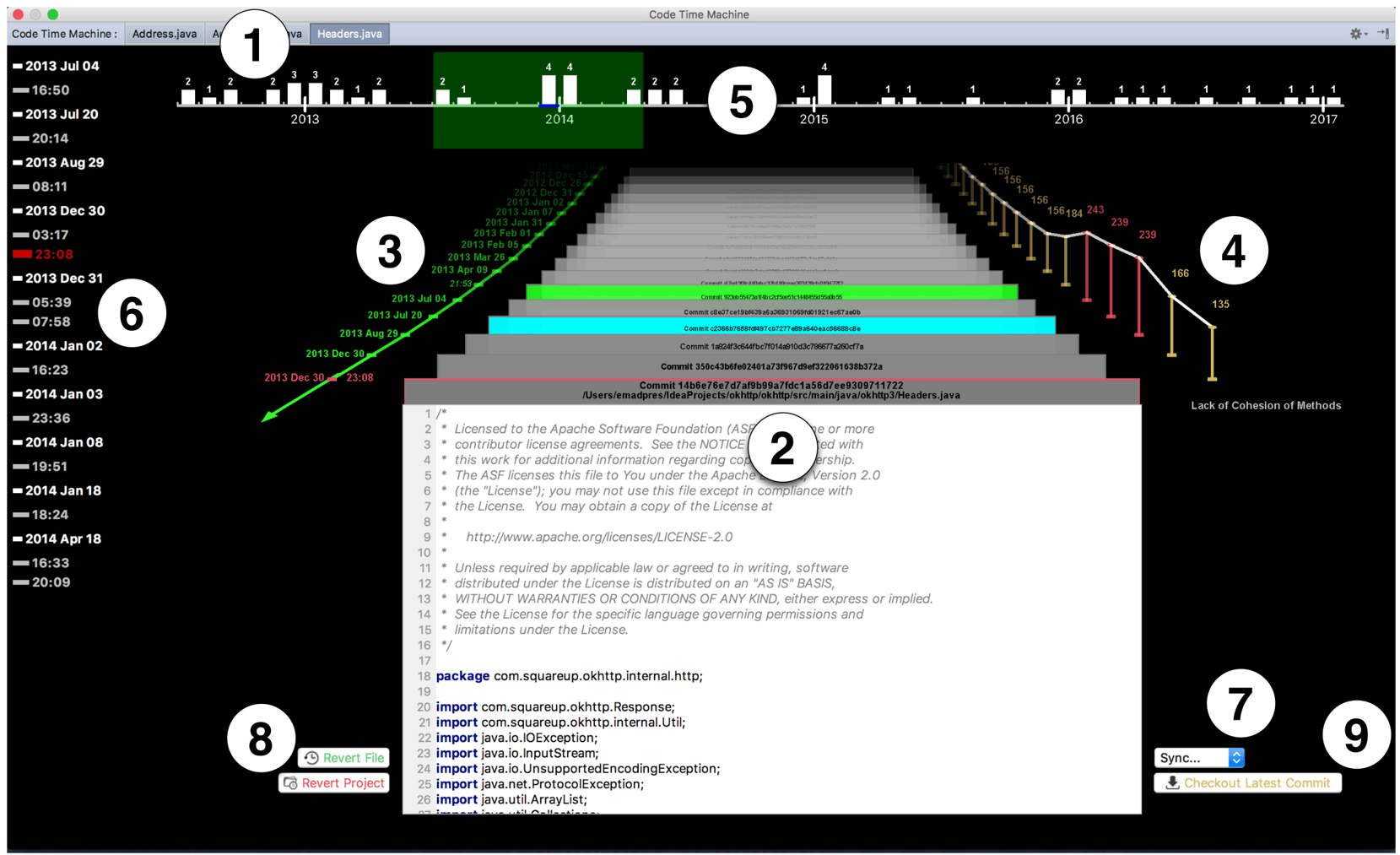
Online resources of formal and informal documentation-such as reference manuals, forum discussions and tutorials-have become an asset to software developers, as they allow them to tackle problems and to learn about new tools, libraries, and technologies. This study investigates to what extent and for which purpose developers refer to external online resources when they contribute changes to a repository by raising a pull request. Our study involved (i) a quantitative analysis of over 150k URLs occurring in pull requests posted in GitHub, (ii) a manual coding of the kinds of software evolution activities performed in commits related to a statistically significant sample of 2,130 pull requests referencing external documentation resources, (iii) a survey with 69 participants, who provided feedback on how they use online resources and how they refer to them when filing a pull request. Results of the study indicate that, on the one hand, developers find external resources useful to learn something new or to solve specific problems, and they perceive useful referring such resources to better document changes. On the other hand, both interviews and repository mining suggest that external resources are still rarely referred in document changes.
UrbanIt: Visualizing Repositories Everywhere
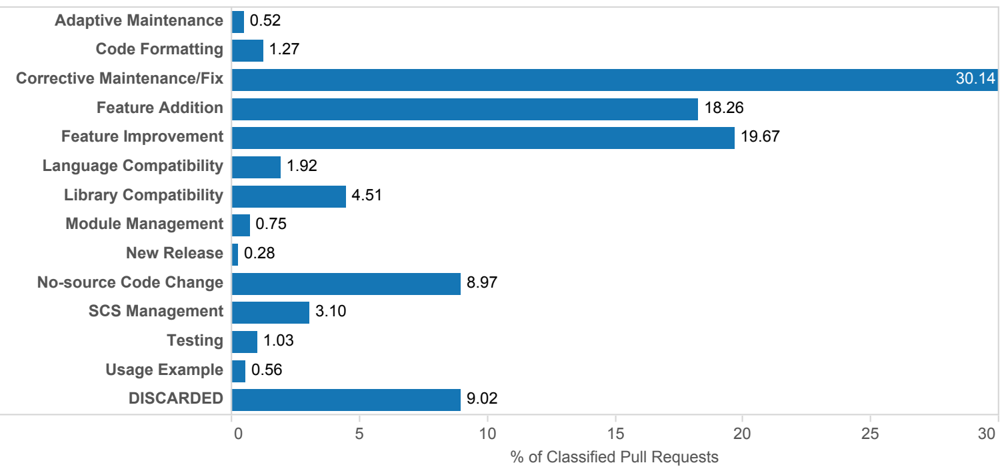
Software evolution is supported by a variety of tools that help developers understand the structure of a software system, analyze its history and support specific classes of analyses. However, the increasingly distributed nature of software development requires basic repository analyses to be always available to developers, even when they cannot access their workstation with full-fledged applications and command-line tools. We present UrbanIt, a gesture-based tablet application for the iPad that supports the visualization of software repositories together with useful evolutionary analyses (e.g., version diff) and basic sharing features in a portable and mobile setting. UrbanIt is paired with a web application that manages synchronization of multiple repositories.
Blended, Not Stirred: Multi-concern Visualization of Large Software Systems
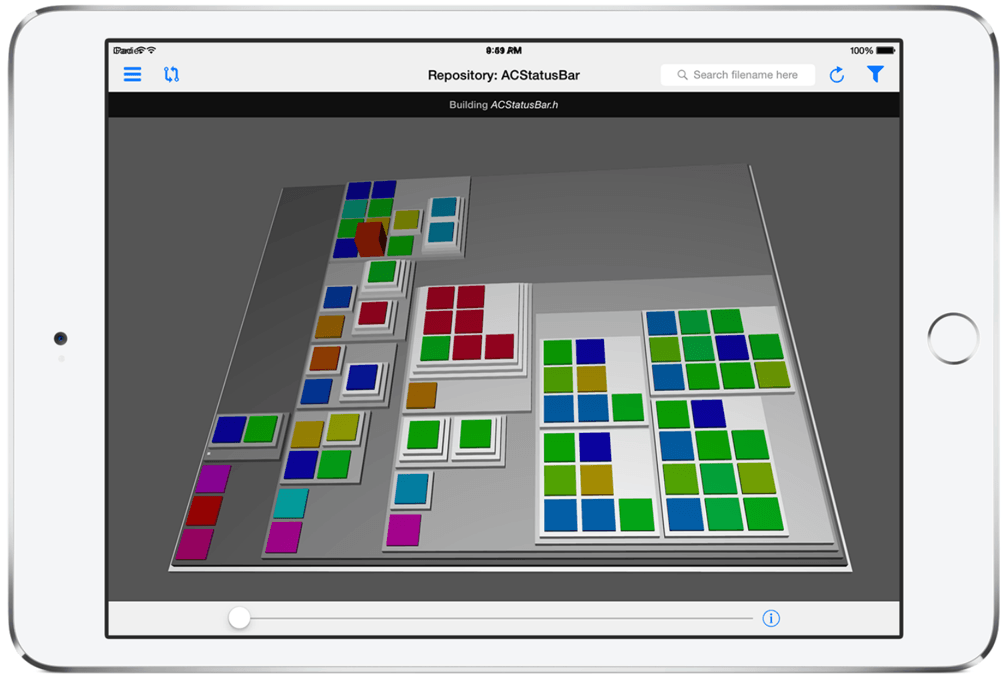
While constructing and evolving software systems, developers generate directly and indirectly a large amount of data of diverse nature, such as source code changes, bug tracking information, IDE interactions, stack traces, etc. Often these diverse data sources are processed and visualized in isolation, leading to a partial view of systems. We present a blended approach to visualize several data \"ingredients" at once, to give as complete an answer as possible to the question "What happened to the system in the last few days?". The goal is to enable a quick and comprehensive assessment of what happened to a software system in any given time frame.