
Davide Paolo Tua

Collaborations with Davide Paolo Tua
 CodeLounge @ Software Institute, USI, Lugano
Projects
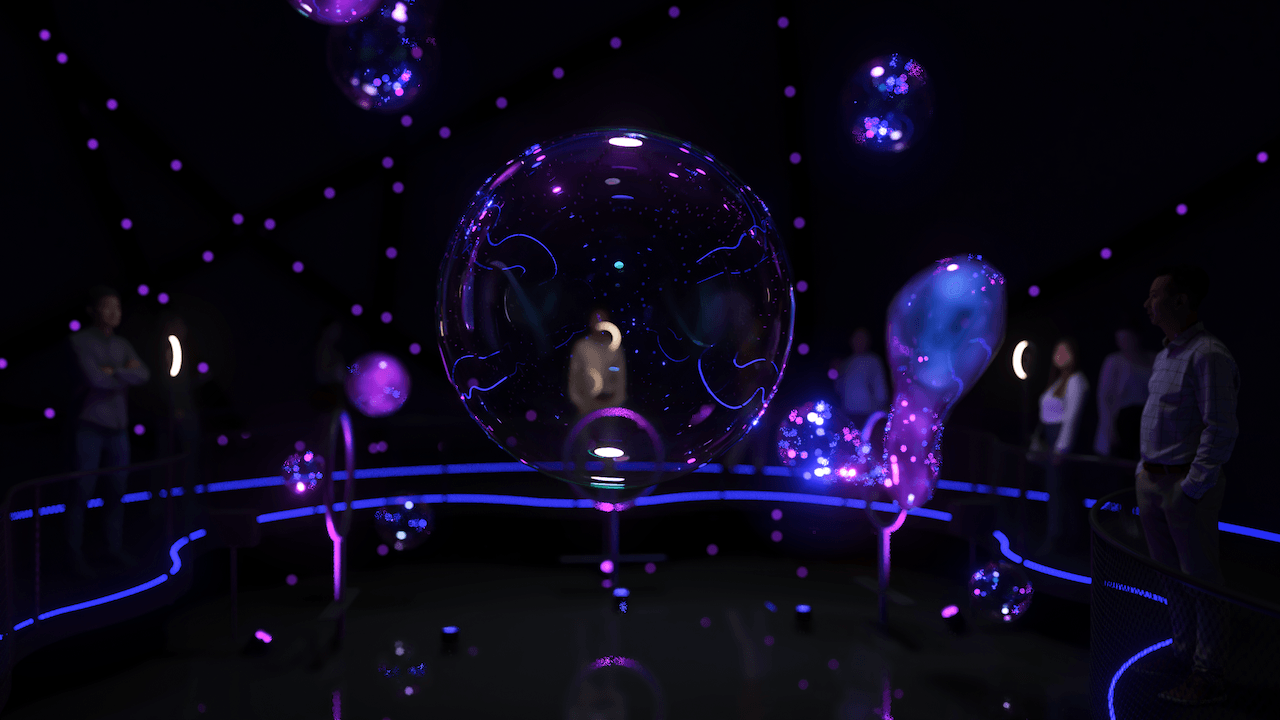
Sphere Two: Swiss Pavilion @ Expo 2025
An interactive art-science installation for the Swiss Pavilion at Expo 2025 that turns visitors' spoken wishes into floating soap bubbles.
Firms and tax competition in the digital economy: a data platform for geo-temporal network analysis
Building a data platform on the network of firms that supports geo and temporal analysis

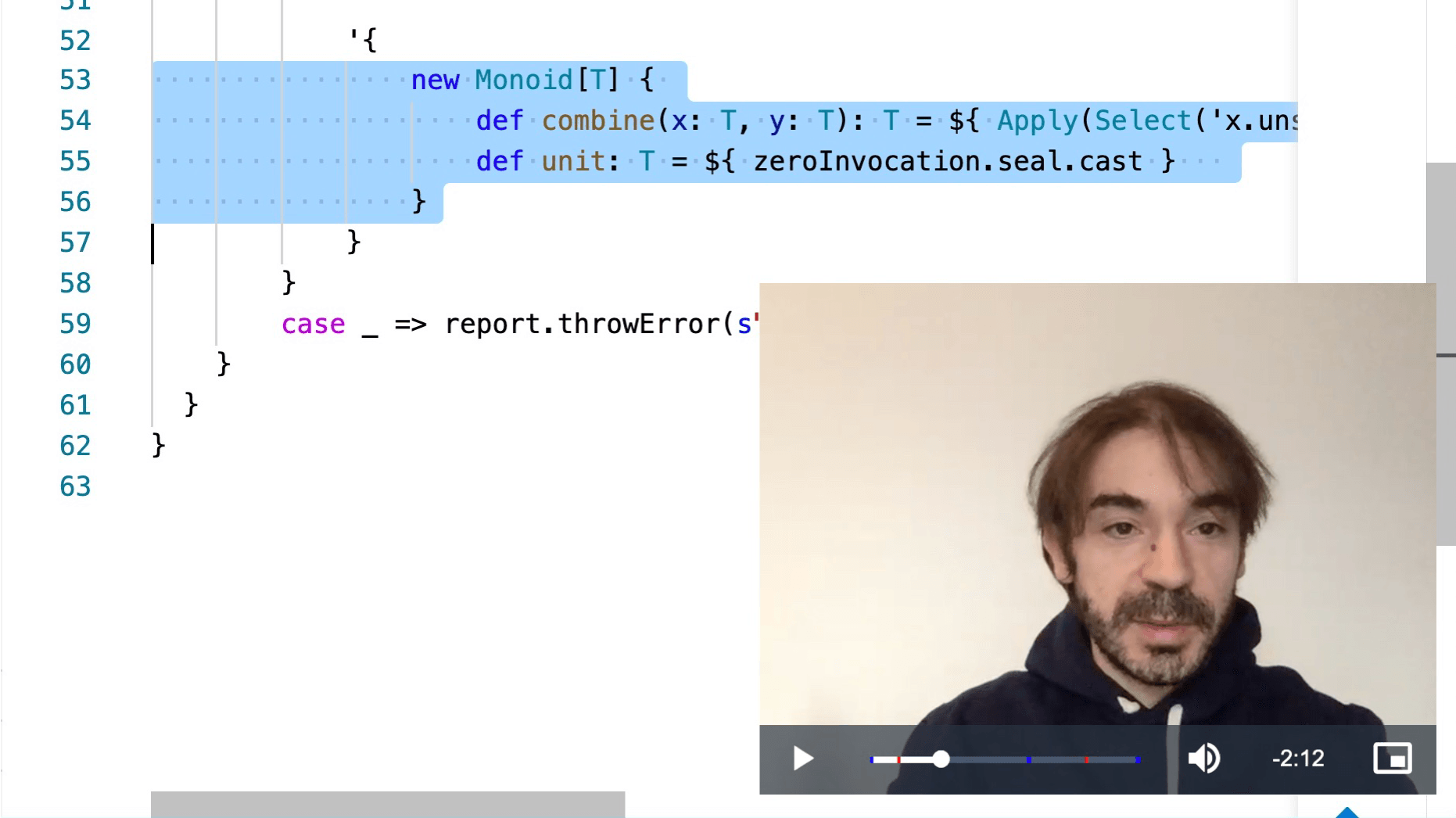
Beyond Watching: Next Generation Programming Tutorials Leveraging Interaction Data
Making video tutorials fully interactive by leveraging IDE interaction data
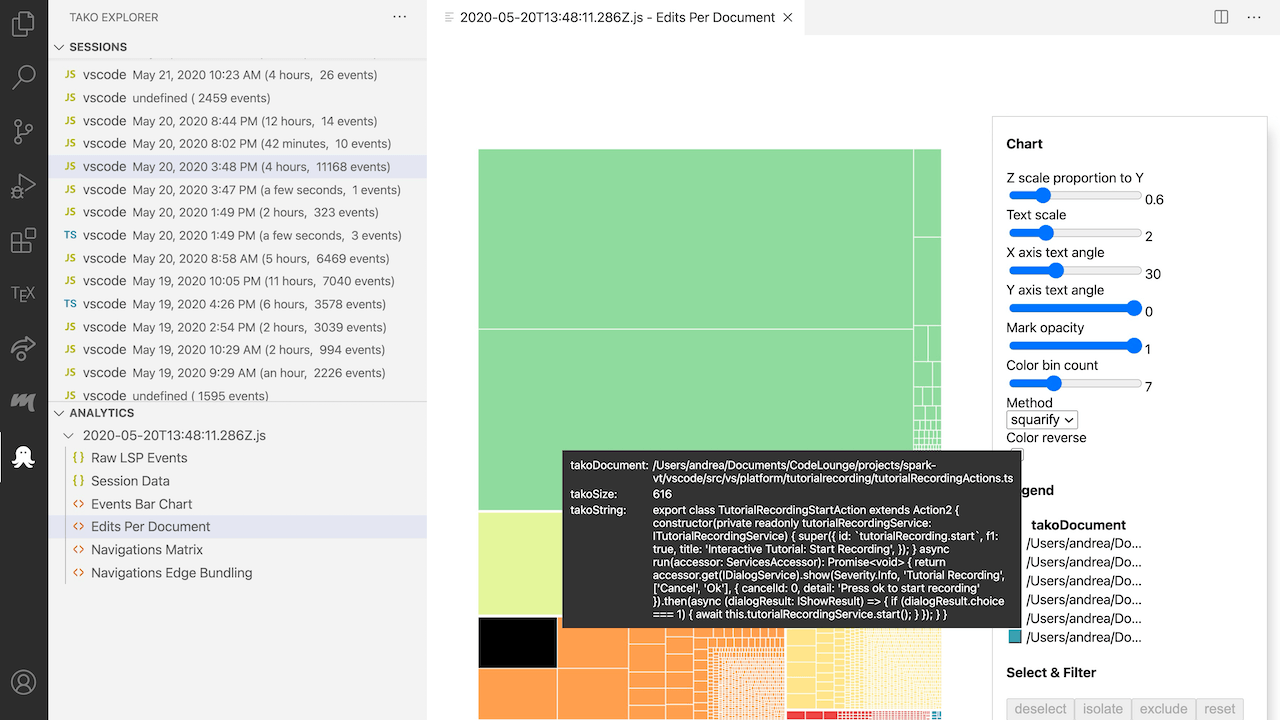
Collecting and Visualizing Development Activities in Visual Studio Code
Tracking low-level IDE interaction events and transforming them into meaningful data to understand our own productivity
myUSI Research & Teaching Support Platform
Management and analytics for the University

Teaching and Training Activities
Full-Stack Web Development Study Day for High-School Students
import ArticlePicture from "../../components/mdx/ArticlePicture.astro";
USI Hackathon 2019: Making Data Alive
A three-day hackathon held from 15 to 17 November 2019 in the Aula Magna of the [USI](https://www.usi.ch) campus in Lugano, organized by [CodeLounge](https://codelounge.si.usi.ch), the research and development group of the [Software Institute](https://si.usi.ch), with the support of [Ated4Kids](https://www.ated.ch/progetto_ated4kids.php) and [Lugano Living Lab](https://luganolivinglab.ch). I was part of the organizing team, led by Marco D'Ambros and Michele Lanza together with Mauro Prevostini and Elisa Larghi from the Faculty of Informatics, and with my CodeLounge colleagues Luca Ponzanelli, Davide Paolo Tua, Jesper Findahl, and Roberto Minelli. I also took the pictures of the event, collected in the [Flickr album](https://www.flickr.com/photos/185754239@N08/albums/72157711974256596/). All the details are on the [event website](https://hackathon.usi.ch).
Software
Tako
A Visual Studio Code extension that records, aggregates, and visualizes IDE interaction data — entirely on the developer's own machine
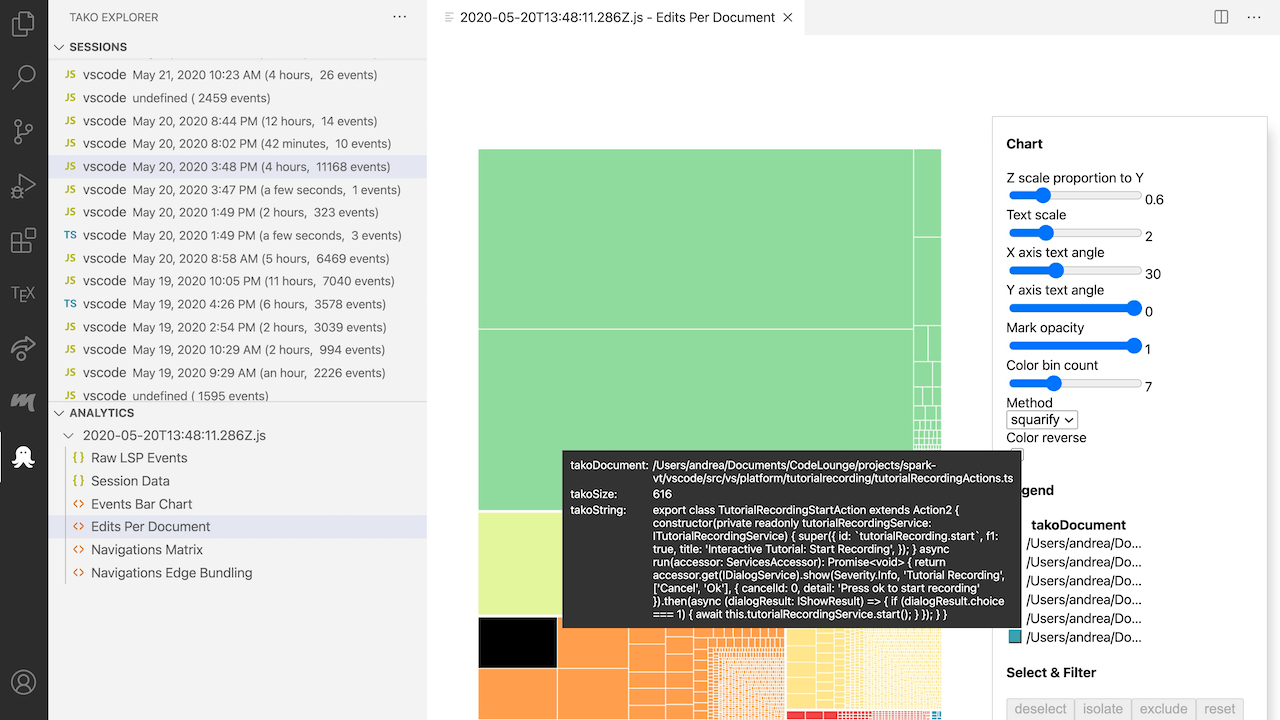
MyUSI Platform
A modular platform for managing the academic life of a university: a GraphQL-based, actor-oriented backend and a component-based frontend, piloted on the research service